EN
EN CN
CN
World Hepatitis Day 2026: Hepatitis – Let’s Break It Down, Remove Barriers to Liver Screening & Care
28 July 2026 marks World Hepatitis Day, with the official theme “Hepatitis: Let's break it down.” WHO calls for eliminating social, financial and systemic barriers blocking accessible hepatitis testing, monitoring and treatment worldwideWorld Heal.... This blog covers global hepatitis burdens, daily liver care tips, affordable abdominal ultrasound screening solutions and actionable ways to remove care barriers.
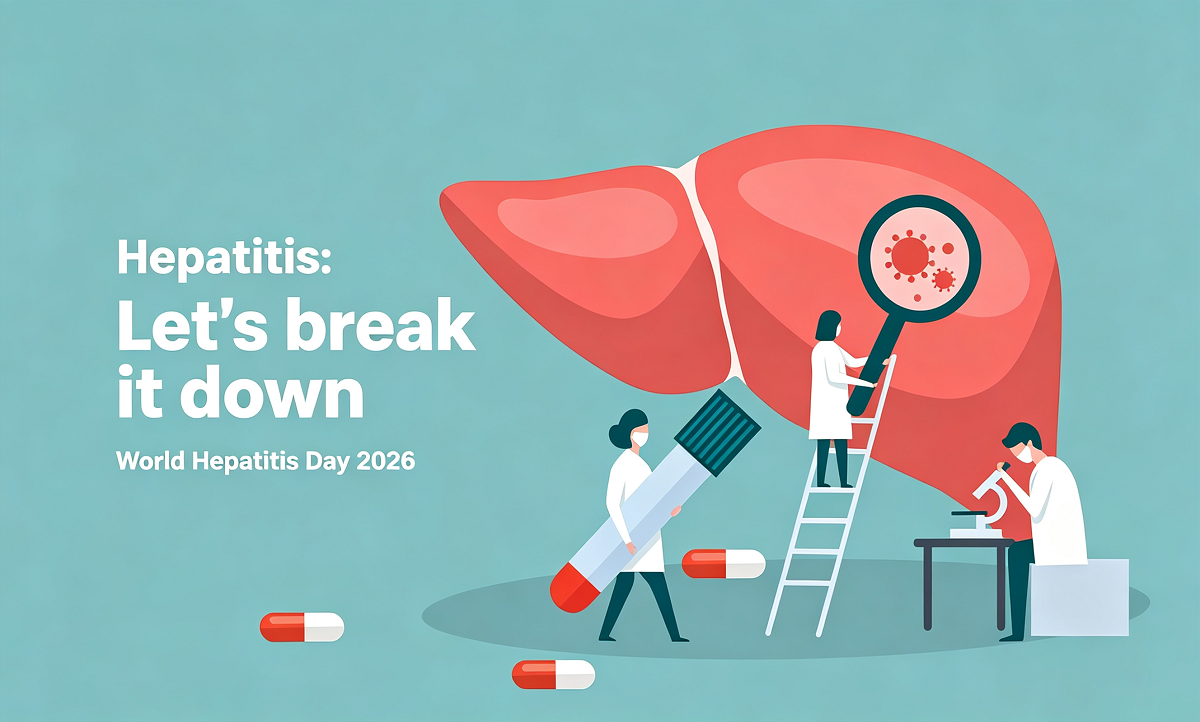
2026 World Hepatitis Day Theme
Hundreds of millions live with chronic hepatitis B/C without diagnosis. Stigma, expensive imaging fees, limited rural medical equipment and fragmented healthcare systems stop patients from regular liver monitoringWorld Heal.... Many only seek help after cirrhosis or liver cancer develops, missing curable early stages.
The theme targets tearing down multi-layered obstacles. Governments, clinics and medical suppliers must expand low-cost, portable liver screening tools, cut diagnostic costs and end discrimination against hepatitis carriers to hit WHO’s 2030 hepatitis elimination target.
Global Hepatitis & Liver Disease Burden
Over 325 million people carry chronic hepatitis globally, causing over 1.3 million annual deaths from cirrhosis and liver cancer. Hepatitis progresses without obvious symptoms, making routine abdominal ultrasound surveillance mandatory for high-risk groups every 6–12 months.
Southeast Asia and other emerging markets lack widely available liver imaging. High-end CT/MRI devices are unaffordable for grassroots clinics, creating a critical gap in affordable, mobile ultrasound screening for underserved populations.
Daily Liver Self-Care Routines for Hepatitis Prevention & Management
Balanced Diet to Reduce Liver Load
Cut excessive sugar, fried food and alcohol intake. Prioritize vegetables, high-fiber grains and lean protein to avoid fatty liver, which worsens hepatitis-related fibrosis. Limit processed sauces and high-sodium snacks.

Strict Alcohol & Toxin Avoidance
Alcohol severely accelerates liver scarring for hepatitis carriers. Avoid unregulated herbal supplements, raw shellfish and unsafe injection tools that raise hepatitis A/B/C infection risks.
Regular Exercise & Weight Control
30-minute daily moderate exercise stabilizes liver fat metabolism. Maintaining a healthy BMI lowers combined risks of fatty liver and viral hepatitis complications.
Fixed Routine Medical Surveillance
High-risk groups (hepatitis carriers, family history patients) must combine blood liver function tests with abdominal ultrasound scans semi-annually to track liver texture, nodules and ascites early.
Abdominal Ultrasound: The Gold Standard for Affordable Liver Screening
Why Ultrasound Leads Hepatitis Monitoring
Radiation-free, low-cost and instant-imaging abdominal ultrasound is the primary screening tool recommended by WHO. It detects liver enlargement, fibrosis, cirrhosis and early liver lesions without high medical fees or long waiting times.
Demand for Portable Multi-Functional Ultrasound in Grassroots Clinics
Remote communities need lightweight, multi-purpose ultrasound machines. Devices supporting both abdominal liver scans and cardiac/phased array modes fit limited public healthcare budgets, covering full routine patient checkups in one unit.
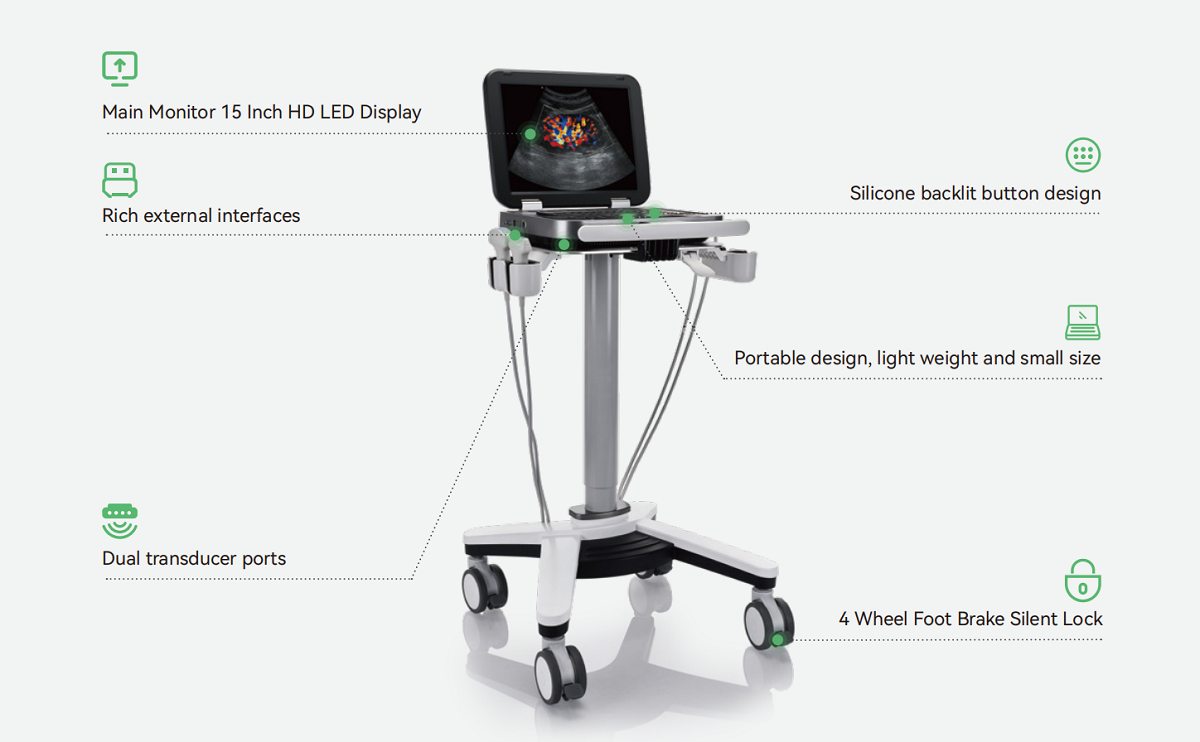
Featured Screening Device: Periodmed PU-L151A Portable Abdominal Ultrasound
Periodmed PU-L151A multi-functional color Doppler ultrasound delivers sharp liver imaging with panorama and echo enhancement tech. It supports cardiac, abdominal and vascular scanning, ideal for low-cost grassroots hepatitis screening across Southeast Asia.
Major Barriers to Widespread Liver Screening
Financial Barriers: High One-Time Equipment Costs
Small clinics and rural medical stations cannot afford premium cart ultrasound systems, delaying regular population liver screening programs. Equipment leasing and tender bulk purchases can ease budget pressure.
Systemic Barriers: Uneven Regional Medical Infrastructure
Remote islands and inland villages face unstable power and weak medical supply chains, limiting deployment of diagnostic imaging devices for mobile hepatitis outreach campaigns.
Social Barriers: Hepatitis Stigma & Low Public Awareness
Many patients skip screening over fear of discrimination. Community education and free public ultrasound pop-up clinics help normalize liver checkups and reduce stigma.
Practical Solutions to Break Down Hepatitis Care Barriers
Scale Portable Low-Cost Multi-Use Ultrasound Devices
Medical institutions should prioritize compact all-in-one ultrasound systems like PU-L151A. They lower per-patient screening costs and enable mobile liver testing for isolated communities.
Expand Government Subsidies & Universal Health Coverage
National medical insurance should fully cover hepatitis ultrasound screening fees. Centralized government bulk procurement cuts equipment prices for grassroots health centers.
Launch Community Mobile Liver Screening Campaigns
Deploy portable ultrasound units to villages, factories and rural schools for free hepatitis liver scans. Combine on-site testing with health education to raise early-detection awareness.

Future Outlook for Equitable Hepatitis Liver Care
By 2030, integrated primary care systems will combine affordable portable ultrasound, simplified blood testing and remote image consultation to eliminate hepatitis as a public health threat. Multi-functional lightweight ultrasound machines will become standard equipment for every community health station in emerging markets.
Conclusion
World Hepatitis Day 2026 calls collective action to break down all barriers to liver care. Consistent daily liver protection habits paired with accessible abdominal ultrasound screening can curb hepatitis-related fatalities. Affordable, portable multi-purpose ultrasound devices are key to bringing life-saving liver monitoring to every underserved community worldwide.